Emotions, values and sports
Emotional education applied to the sports field
Sports are much more than physical activity: they are a privileged environment for the emotional and social development of children, adolescents and adults. In this setting, learning and values such as effort, respect, cooperation, companionship and fair play are built, which contribute to shaping empathetic, resilient and committed individuals not only to their immediate surroundings but also to the society in which they live.
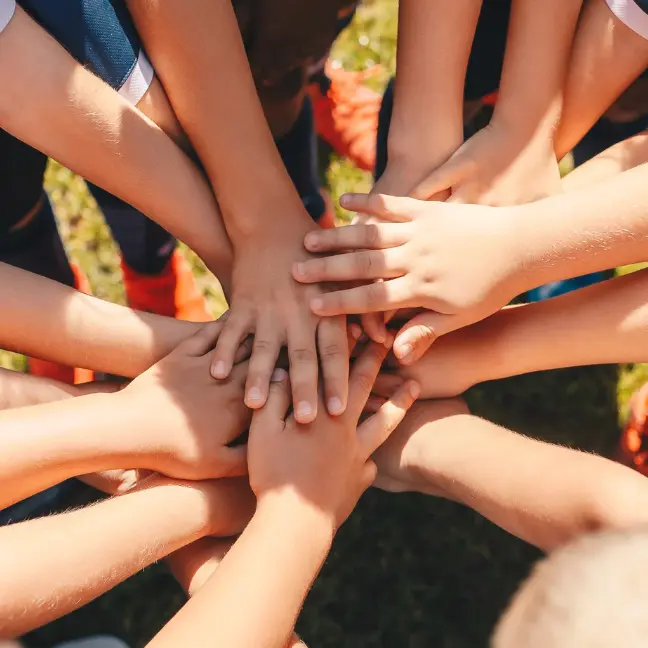
The teams and professionals involved in it have the opportunity to turn sports into an experience that promotes values and emotional competencies aligned with individual and collective well-being. In this sense, sports organizations are key settings for fostering mental, emotional, and physical health..
When sports are practiced in safe, conscious and healthy environments, they strengthen self-esteem, improve emotional management, and become a key ally for well-being and coexistence.
For all these reasons, RIEEB offers quality training in the sports field.
Who is this training for?
- Trainers of any sport activity
- Sport coordinators
- Clubs and sportive entities
- School sports monitors
- Physical education teachers
- Sportive federations
- Young and teenage athletes
- Technical teams working with children and youth
If you work with people through sports, this concerns you.
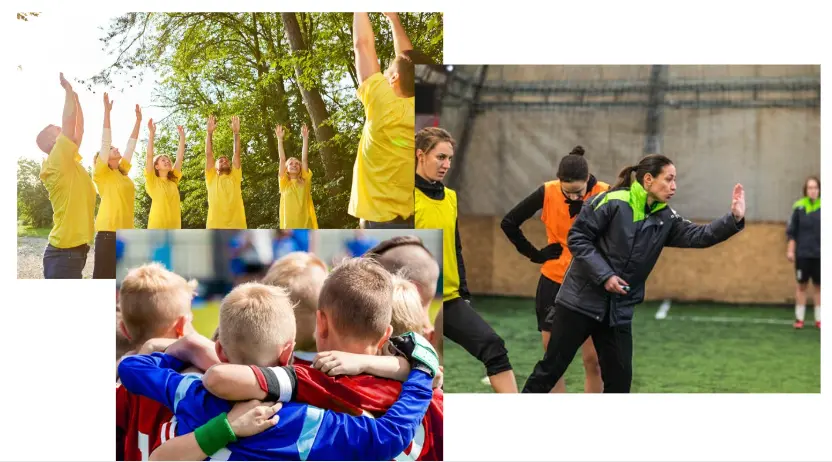
Why is it necessary?
Because both, talent and fun, if there is no emotional management, become distorted and blocked.
Because poor management of games and competition leads to abandonment and disconnection from everything that sport can offer.
Because a large part of the conflicts in the world of sports are not technical or tactical, but emotional.
Because sport is one of the spaces with the greatest impact on building self-esteem in childhood and adolescence.
Sport has enormous potential as an environment for growth and development, but if it is wasted or misused, it can become a space of poorly managed conflicts, excessive competition, comparison, pressure, and anxiety.
And training in values and emotional skills is the most powerful tool to prevent it.
Training objectives
- Integrate emotional education into daily sports practice
- Provide tools for managing frustration, mistakes, and competition
- Improve team cohesion and communication
- Promote conscious and respectful leadership
- Reduce conflicts and disruptive behavior
- Prevent adolescents from dropping out of sports

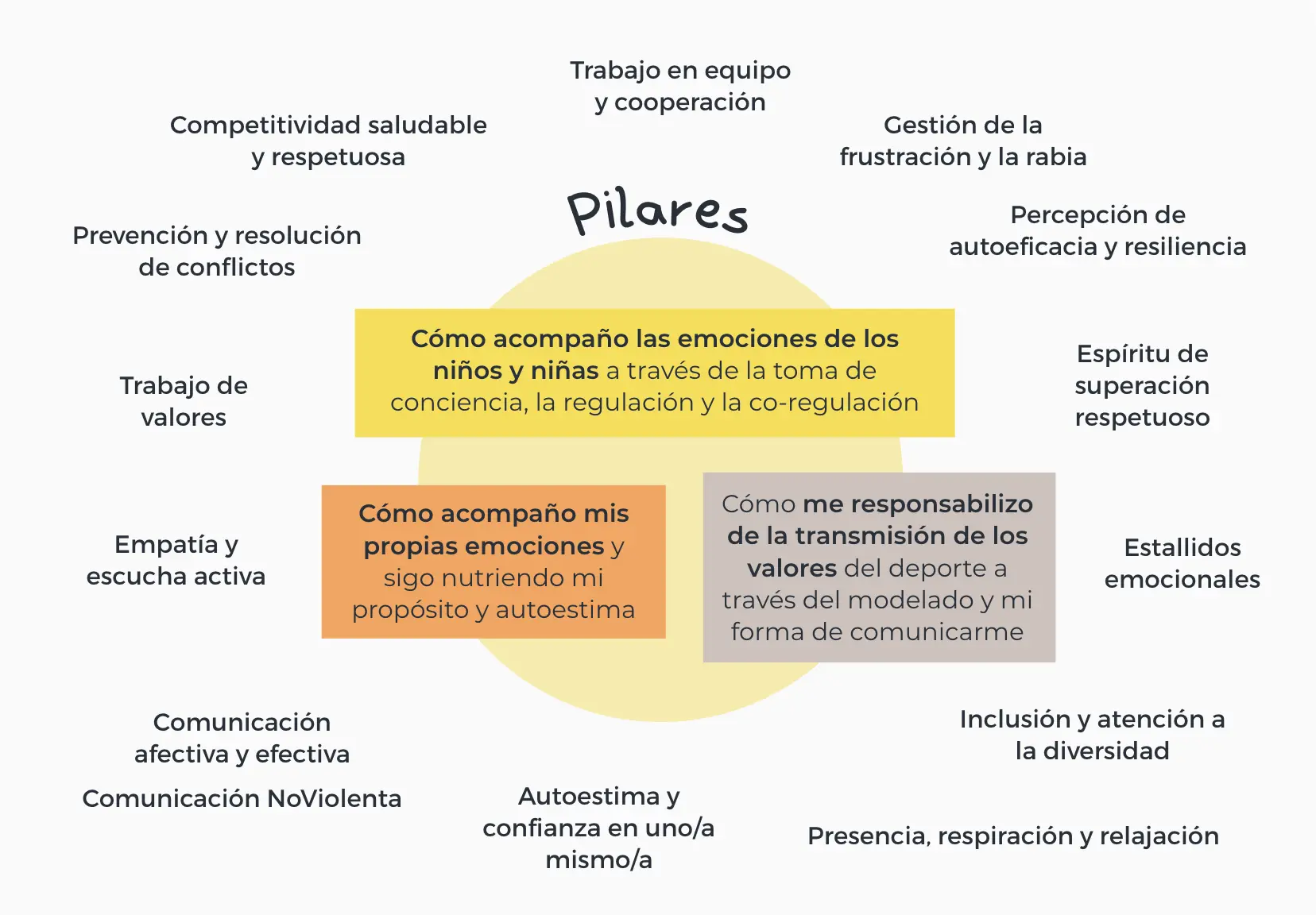
Skills and values that we work on in our training programs
Benefits
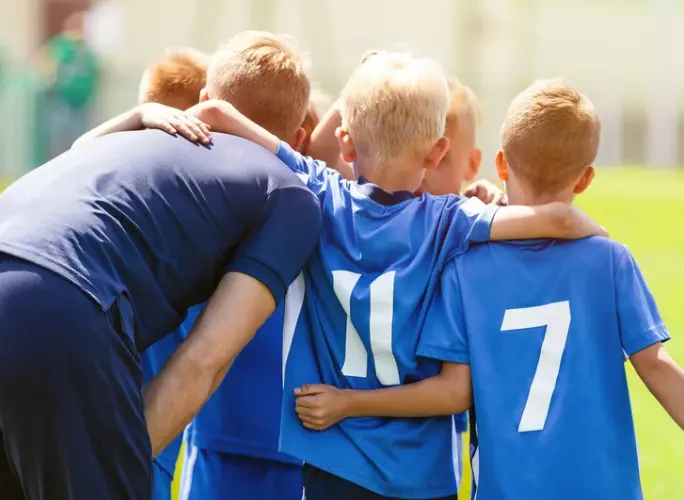
Coaches and technical staff
- Greater effectiveness in group management
- Reduced conflicts
- Improved team climate
- Stronger leadership
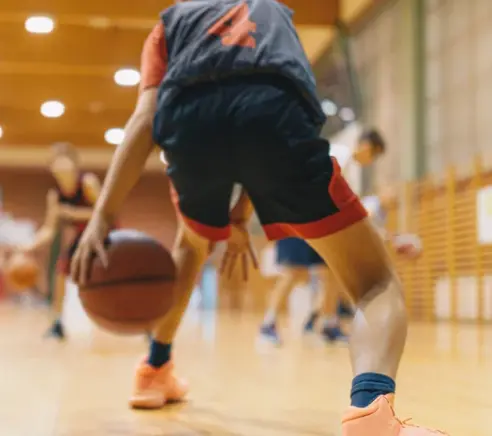
Players and athletes
- Greater confidence and resilience
- Better management of competitive stress
- Greater enjoyment of the sport
- Lower risk of dropping out
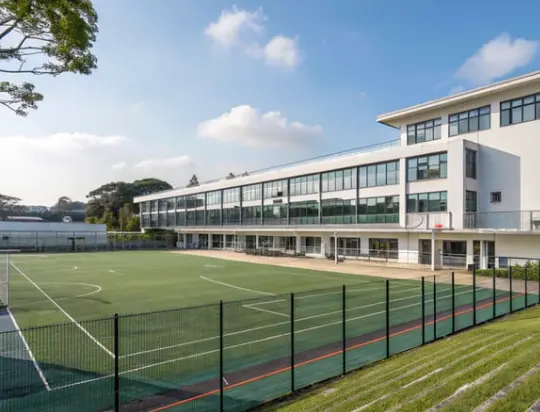
Sports clubs and organizations
- Distinctive training identity
- Stronger organizational culture
- Greater loyalty
Educating emotionally through sport is key to building well-being, values and future.
Are you in?
Contact with us rieeb@rieeb.com
Corporate social organizations
We are in good company
La Granja - Ability Training Center
A training center for emotional skills and competencies with outdoor activities, challenges and positive stimuli for children, youth and adults.

Fábrica de Valientes
It is an educational program that designs learning experiences based on emotion, play, and action to develop talent and socio-emotional skills.
Web
Bumii AI
It is a platform that uses emotional science and artificial intelligence to measure the emotional climate and turn emotions into strategic decisions that improve well-being in companies and educational centers.
In agreement with the institutions




With the collaboration of